
Why Two Mezzanine Floors with the Same Size Can Have Completely Different Costs
When businesses begin exploring mezzanine floors, one of the most common assumptions is that cost is largely determined by floor area. On the surface, that seems logical. If two mezzanines occupy the same amount of warehouse space, many expect the pricing to be relatively similar.
In reality, mezzanine design and pricing rarely work that way.
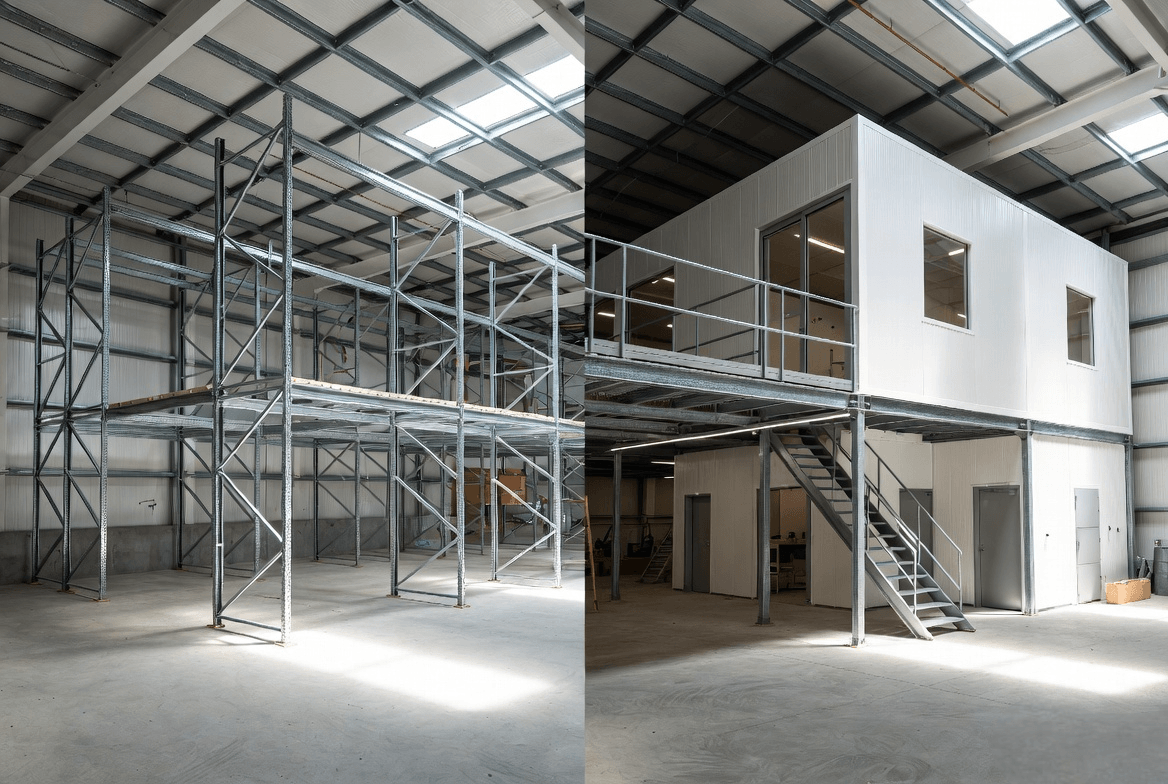
Two mezzanine floors can share identical dimensions while differing significantly in structural specification, compliance requirements, engineering complexity, and overall project cost. The footprint may remain the same, but what the mezzanine is expected to support changes everything behind the scenes.
This is one of the biggest misconceptions businesses encounter during warehouse expansion planning. Floor area is only one part of the equation. The intended use of the mezzanine often becomes the primary factor shaping the structure, materials, loading requirements, safety systems, and installation approach.
Understanding this early can prevent unrealistic budgeting expectations, costly redesigns, and operational challenges later in the project.
The Assumption That Size Determines Cost
In many construction-related projects, size naturally influences pricing. A larger structure typically requires more materials, more labor, and more installation time. That mindset often carries into mezzanine planning as well.
As a result, businesses frequently compare mezzanine quotations primarily based on square metre coverage. If two proposed floors appear similar in dimensions, the expectation is that their costs should also be similar.
However, mezzanine systems are not simply empty platforms inserted into warehouse space. They are engineered structures designed to support specific operational demands. Once those operational demands change, the entire specification behind the mezzanine can change as well.
This is why two mezzanine floors that look visually similar from a distance may involve completely different engineering approaches beneath the surface.
Why Usage Changes Everything
The intended use of a mezzanine floor has a direct impact on nearly every aspect of its design.
A mezzanine intended purely for light storage has very different requirements compared to one designed for office integration, operational workspace, manufacturing activity, or heavier storage applications.
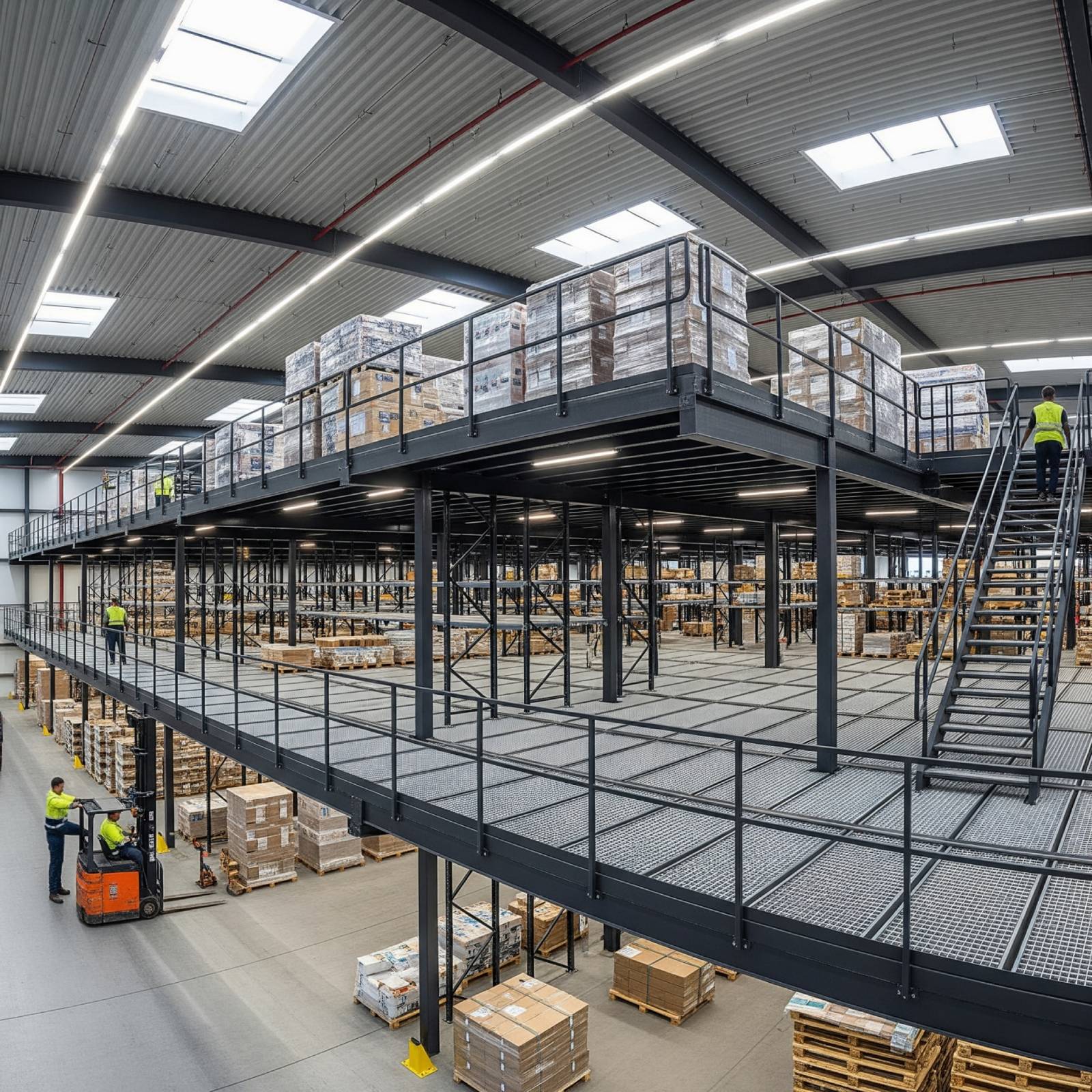
For example, a simple storage mezzanine may only need to support lightweight shelving, boxed inventory, or occasional foot traffic. The loading requirements remain relatively modest, which can allow for a simpler structural design.
Now compare that with a mezzanine designed to accommodate office space alongside storage. Suddenly, additional factors begin influencing the specification:
- Increased floor loading requirements
- Occupancy considerations
- Fire protection measures
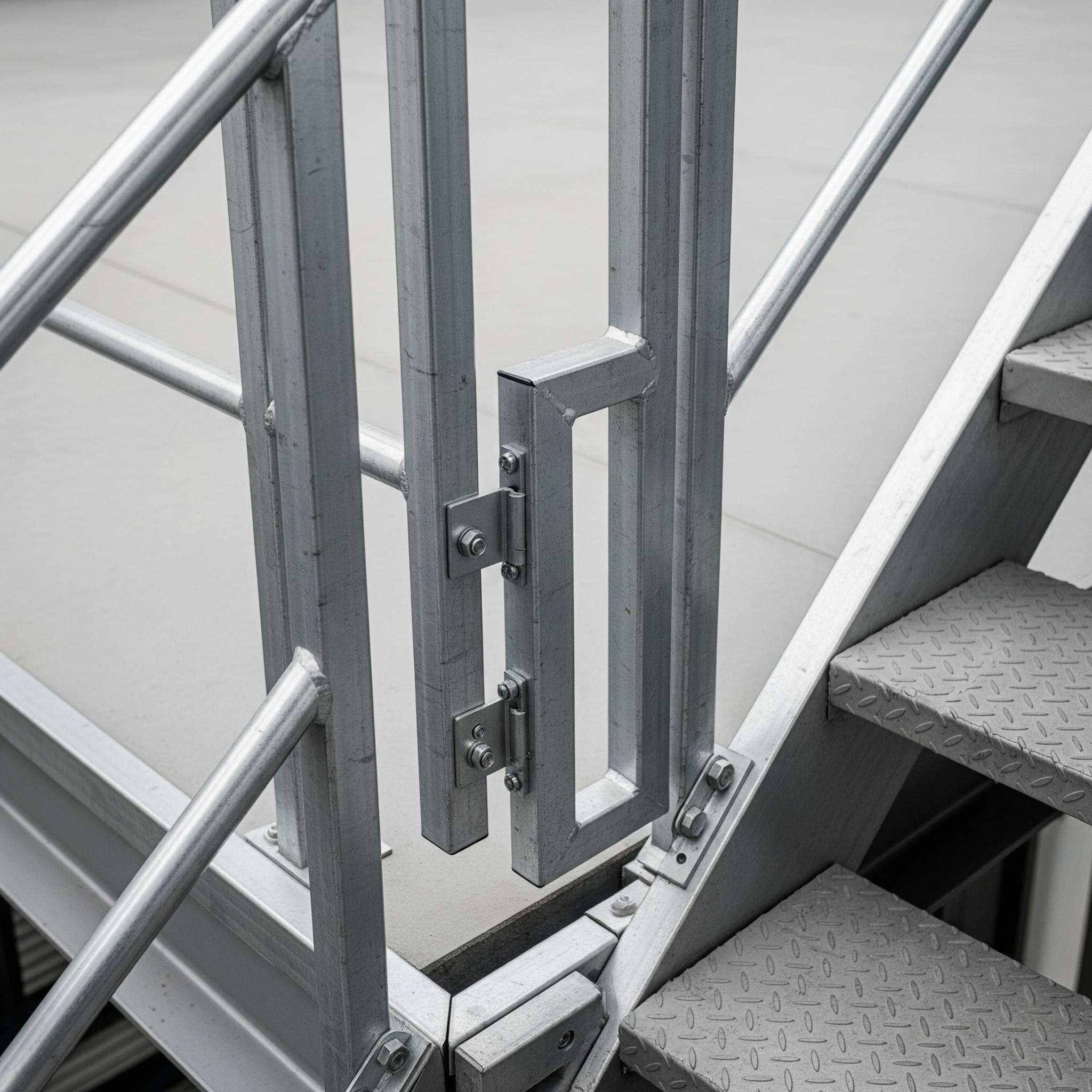
- Staircase and access systems
- Lighting integration
- Ventilation and services
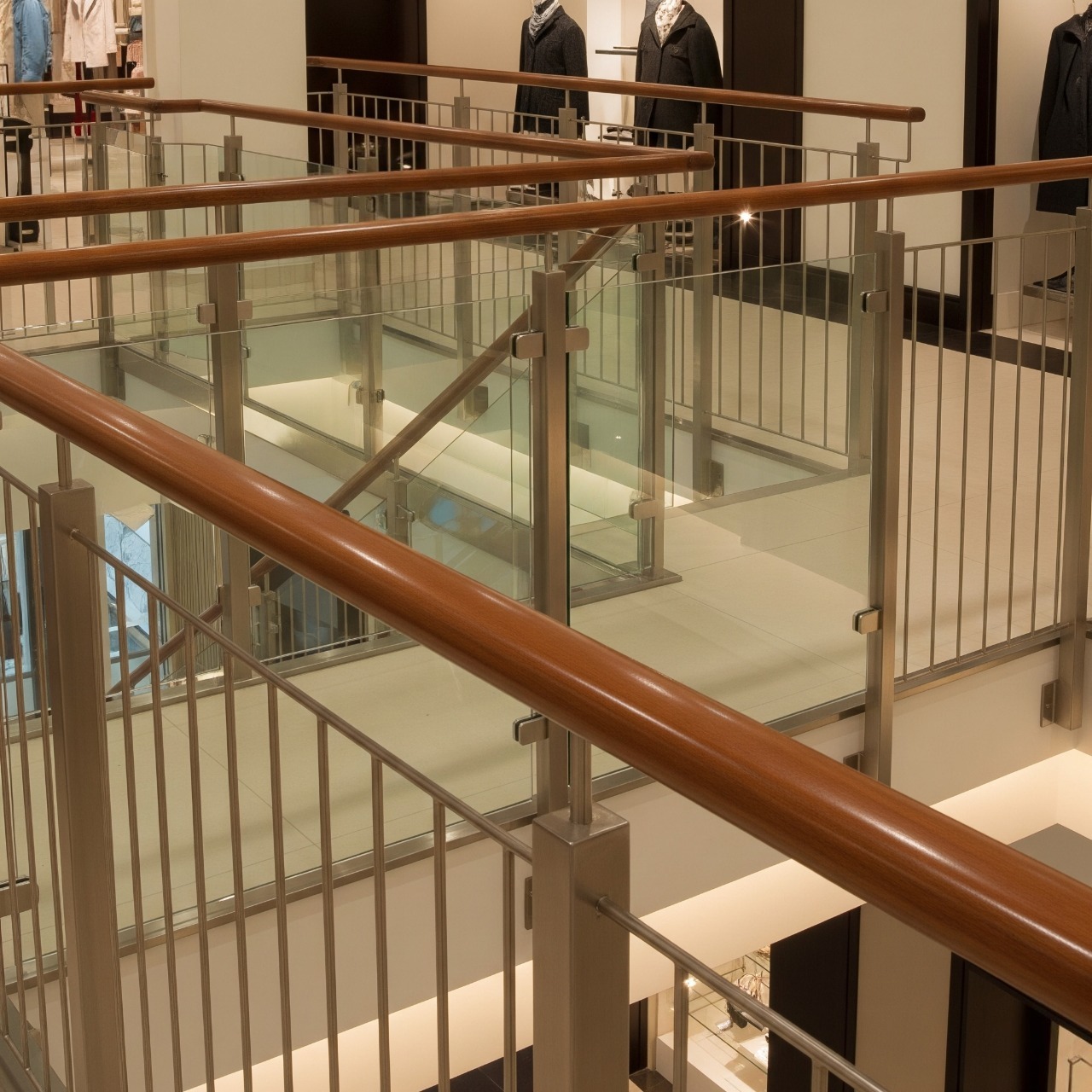
- Compliance standards for occupied areas
Even though both mezzanines may occupy the same physical footprint, the structural and compliance demands become entirely different.
This is where many budgeting misconceptions begin.
Conclusion
Mezzanine floors are often viewed primarily as space-creation structures, but in reality, they are highly specification-driven systems shaped by operational demands.
Two mezzanines may occupy the same footprint while producing very different project costs because the intended use of the space changes the engineering, compliance requirements, loading demands, and overall complexity behind the structure.
The footprint may remain identical. The specification rarely does.
Businesses that understand this early are far better positioned to plan effectively, budget accurately, and create mezzanine systems that genuinely support operational growth rather than simply adding floor area.
Successful mezzanine planning is not just about how much space is available. It is about how that space needs to perform. Contact our team today to discuss your requirements and get expert advice tailored to your project.